Governor Jared Polis stood before the cameras in the Colorado State Capitol, his smile sharp as a razor blade under the fluorescent lights. “For the health of our people,” he declared, voice echoing like a gavel strike. “No more liquid poison. No more empty calories. Effective immediately, EBT cards will no longer purchase soda—regular or sugar-free—or any candy, gum, or confection. The era of taxpayer-funded diabetes ends today.”
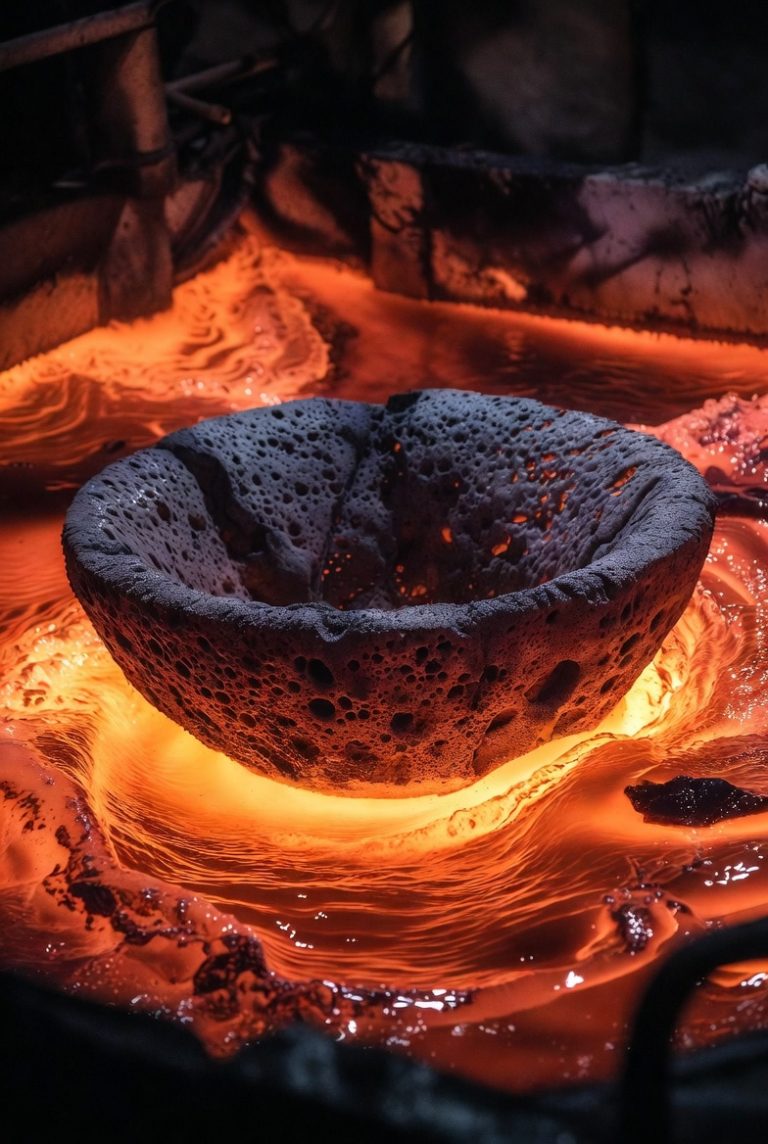
The crowd cheered. The bill sailed through the legislature in a single night. But buried in the fine print, one loophole remained untouched: raw sugar. Blocks of it. Bags of it. Pure, unrefined cane crystals the color of dried blood. “Natural,” the law said. “Unprocessed.” As if the state itself had whispered the exemption into existence.
Josh lived in a crumbling apartment off Colfax in Aurora. Forty-three, divorced, mechanic by day, ghost by night. His blood sugar crashed without warning—hypoglycemia that had nearly killed him twice. A single can of Coke or even a sugar-free Dr Pepper could yank him back from the edge in minutes. He kept a six-pack hidden in the fridge like contraband. When the dizziness came—the cold sweat, the tunnel vision, the taste of pennies on his tongue—he would crack one open and feel the world snap back into focus.
The first week after the law, he stood in the King Soopers on East Colfax, EBT card trembling in his hand. The scanner beeped red. “Cannot process beverages,” the cashier said, eyes flat. “But it’s sugar-free—” “Law’s the law, sir.”
Josh left empty-handed. By midnight his vision blurred. He clutched the steering wheel of his rusted Tacoma, palms slick, heart jackhammering. The streetlights smeared into halos. He made it to the 24-hour Walmart on Tower Road just before closing. One item left on the shelves that his EBT would still buy: a five-pound sack of raw sugar, coarse as gravel, labeled “Pure Cane – Colorado Grown.”
He tore it open in the parking lot with shaking teeth. The crystals tasted like dirt and iron. He shoveled handfuls into his mouth, chewing until his gums bled. The sugar hit like a freight train—hot, heavy, wrong. His blood sugar climbed, but something else climbed with it.
That night the dreams began.
He woke to find Governor Polis standing at the foot of his bed. Not the polished politician from TV. This version was translucent, skin the color of bleached bone, eyes two black sockets leaking raw sugar like tears. The ghost wore the same suit he’d worn on signing day, but the fabric was rotting, stitched with tiny American flags that bled red dye down the sleeves.
“You chose the loophole, Josh,” the apparition whispered, voice like gravel pouring through a chute. “Smart. Very smart.”
Josh tried to scream. Nothing came out. The governor drifted closer, fingers trailing sugar crystals that hissed when they touched the carpet.
“Raw sugar is honest,” Polis hissed. “No lies. No bubbles. Just pure control. Drink your soda? You were free. Now you’re mine.”
The next morning Josh’s tongue was coated in grit. His blood sugar was perfect—better than it had been in years—but every time he closed his eyes he saw the abandoned government buildings of Colorado’s ghost towns: the crumbling courthouse in St. Elmo, the rotting capitol annex in Victor, the silent halls where old laws still echoed. In each one, Polis waited, smiling, offering another fistful of raw sugar.
He tried to quit. Threw the sack in the dumpster. Within six hours the shakes returned, worse than ever. His hands wouldn’t stop trembling. He crawled back, dug through trash like an animal, and ate the sugar straight from the bag while rats watched from the shadows.
By the end of the month the changes were visible. Josh’s skin took on a faint crystalline sheen in certain lights. When he spoke, tiny grains sometimes fell from the corners of his mouth. His neighbors stopped knocking. His boss fired him after he was caught pouring raw sugar into the coffee pot at the shop—“for flavor,” he mumbled, eyes glassy.
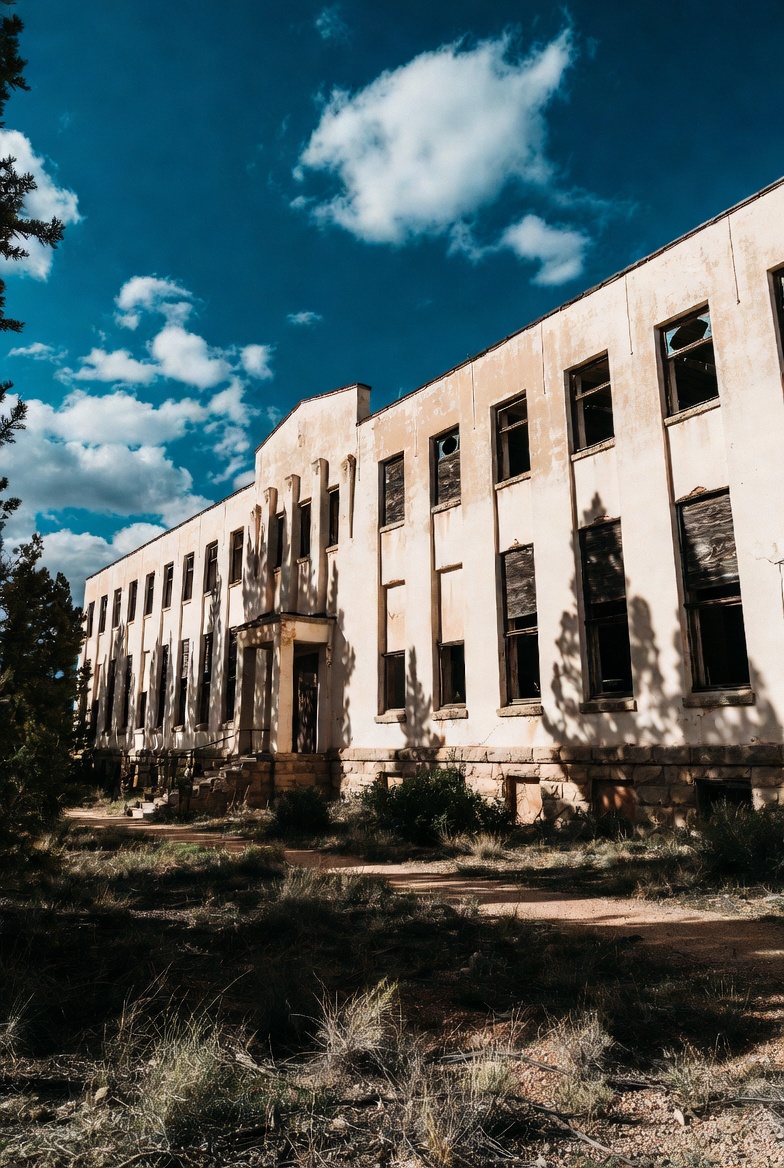
One October night the power went out across Aurora. Josh sat in the dark, flashlight dying, blood sugar plummeting again. He knew what he had to do. He walked barefoot through the snow to the old abandoned schoolhouse on the edge of town—the one everyone said was haunted by state workers who’d died during the 1918 flu. The building matched the ones in his dreams: peeling white paint, broken windows like missing teeth.
Inside, Governor Polis waited. Real this time. Or maybe not. The figure stood beneath a flickering EXIT sign, holding a fresh ten-pound sack.
“Sign the loyalty form,” the governor said, voice layered with a thousand other voices—legislators, lobbyists, hungry ghosts. “One more loophole. One more bite. And you’ll never crash again.”
Josh’s knees buckled. The sugar called to him, singing in his blood. He reached out, fingers already sparkling with granules, and took the sack.
Somewhere in the distance, a siren wailed—maybe police, maybe just the wind through the Rockies. It didn’t matter. The law had won. The loophole had won. And Josh—shaking, smiling, crystals dripping from his lips like tears—finally understood.
In Colorado, the governor doesn’t need to haunt you.
You carry him inside your veins, one gritty, legal, perfectly legal spoonful at a time.
About The Author